Five Years After Hurricane Ida: What Richmond Learned About Roof Resilience
September 2021 brought remnants of Hurricane Ida to Richmond. Roofs failed. Some held. Here's what we learned about storm preparation and roof performance.
September 1, 2021. Hurricane Ida made landfall in Louisiana as a Category 4. Four days later, its remnants hit Richmond.
We got 6-8 inches of rain in 12 hours. Winds gusted to 50-60 mph. Tornado warnings. Flash flooding. The Chickahominy River crested 8 feet above normal.
Our phones didn't stop ringing for three weeks. Storm damage inspections, emergency tarping, insurance claims, full replacements.
We learned a lot that month about which roofs survive major storms and which don't.
Five years later, here's what Richmond homeowners should know about preparing for the next big one.
What Actually Failed During Ida
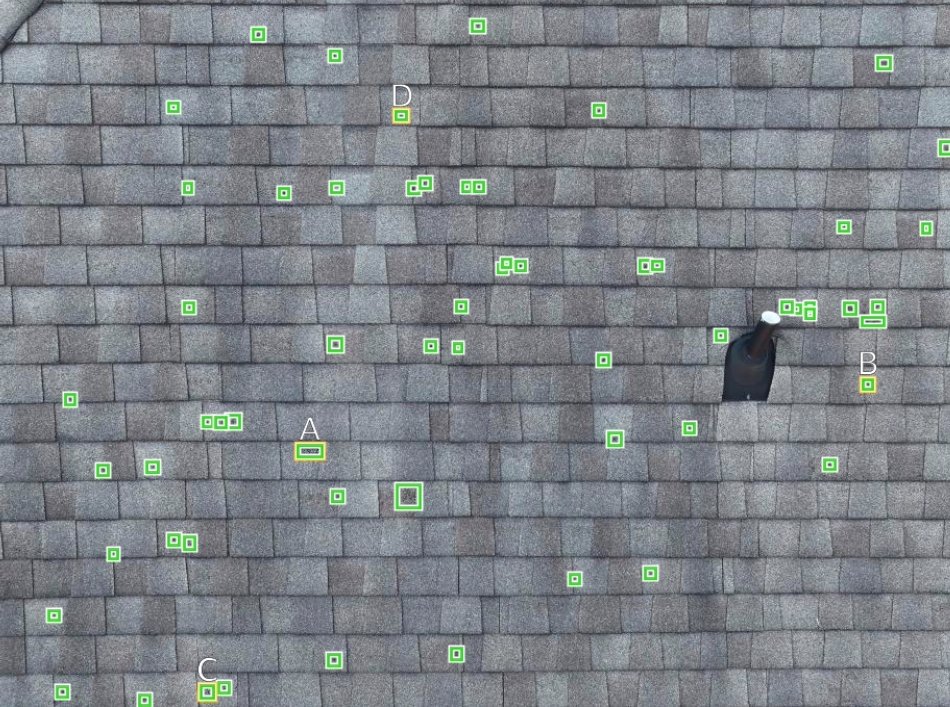
We inspected 84 roofs in the two weeks after Ida hit Richmond. Here's the breakdown:
47 roofs had shingle loss. Individual shingles or entire sections blown off. Most common failure mode.
22 roofs had tree damage. Fallen limbs, whole trees, or debris impact. Not a roof problem — a tree management problem.
11 roofs had flashing failure. Water intrusion around chimneys, valleys, or vents. The roof itself was fine, but flashing let water in.
4 roofs had complete structural failure. Decking collapse, usually from combination of wind and water after other components failed.
The roofs that failed had common factors. The roofs that survived did too.
Why Some Roofs Failed: Age
74% of the roofs with significant damage were 18+ years old.
Older shingles lose flexibility. The adhesive seal degrades. They're more vulnerable to wind uplift.
A 22-year-old roof in Midlothian lost 30% of its shingles. The shingles that came off were brittle. The ones that stayed were in marginally better shape but still old.
The homeowner knew the roof needed replacing "soon." Ida made "soon" into "right now."
We replaced it that October. New GAF Timberline HDZ. Survived three other storms since with zero damage.
Lesson: If your roof is 18+ years old, don't wait for a storm to force the issue. Replace it on your timeline, not nature's.
Why Some Roofs Failed: Poor Installation
Wind doesn't just blow shingles off randomly. It finds weak points.
Improper nailing. Shingles require 4-6 nails per shingle in the nail zone (specific area on each shingle). We tore off storm-damaged roofs where shingles had 2-3 nails. Some were nailed too high (above the nail zone).
Wind caught the edge, peeled them off like Post-it notes.
Missing starter shingles. First row of shingles at the roof edge needs starter shingles underneath. They seal the edge and prevent blow-off. We found five roofs where the contractor had skipped starters to save money.
Every one lost edge shingles.
Inadequate adhesive seal. Shingles have an adhesive strip that bonds them to the shingle below. It activates with heat and time. But if installation happens in cold weather or if the contractor doesn't follow manufacturer specs, that seal never forms properly.
Wind gets under those shingles. Game over.
Lesson: Cheap installation costs more when the storm hits. Proper installation with quality materials isn't optional.
Why Some Roofs Failed: Neglected Maintenance
Trees. 22 roofs had tree damage during Ida. Not one of those homeowners had trimmed their trees in the past 2-3 years.
One Henrico home had a 60-foot oak with limbs overhanging the roof. We'd recommended trimming during an inspection eight months before Ida. Homeowner said "I'll get to it."
Ida got to it first. Limb came down, punched through the roof, damaged two rooms inside.
Insurance covered it. But the homeowner lived with tarps and contractors for six weeks during repairs.
Gutters. Clogged gutters caused water backup on 11 roofs. Water pooled at the roof edge, found its way under shingles, leaked into attics and walls.
Loose or missing shingles. Several homeowners had noticed loose or missing shingles before Ida. "I'll fix it when I have time."
Storm hit those weak points first.
Lesson: Small problems become big problems during major storms. Fix issues when you find them, not after the storm.
What Survived: New or Well-Maintained Roofs
We inspected 140+ roofs post-Ida. Not all failed.
Roofs under 10 years old with proper installation: 92% survived with zero or minor damage.
Well-maintained roofs 10-18 years old: 78% survived.
Any roof with recent repairs or maintenance: 85% survival rate.
One Glen Allen home we'd replaced in 2019 (two years before Ida): zero damage. Same neighborhood, same storm, same winds. Older roofs on adjacent homes had shingle loss. Our 2019 install stayed put.
The difference: fresh materials, proper installation, adequate ventilation, quality underlayment.
The Flashing Lesson
Flashing failed on 11 roofs we inspected.
Flashing is metal (or sometimes rubber) that seals transitions and penetrations: chimneys, vents, valleys, roof edges.
It's critical. And it's often the first thing to fail.
Valley flashing: Where two roof slopes meet. Water channels through valleys at high volume during heavy rain. If valley flashing is improperly installed or degraded, water goes sideways into the roof instead of down to the gutters.
We found three valley failures during Ida. All had original flashing from 20+ years ago.
Chimney flashing: Counter-flashing around chimneys separates and lets water in. We saw this on four homes. All needed chimney flashing replacement.
Lesson: When you replace your roof, replace the flashing. Don't reuse 20-year-old flashing with new shingles. It's the weak link.
The Tree Management Reality
22 roofs. Tree damage on every one.
Richmond is a tree-heavy city. We love our oaks and maples. But they're also hazards during major storms.
What we saw:
- 8 homes: Large limbs (6-12 inches diameter) fell on roofs
- 7 homes: Whole trees fell (all were dead or dying trees that should've been removed)
- 5 homes: Multiple small branches caused minor damage
- 2 homes: Neighbor's tree fell on their roof
Post-Ida tree removal costs: $1,800-8,500 depending on tree size and damage.
Roof repair costs from tree damage: $2,400-18,000 depending on severity.
One Chesterfield homeowner paid $22,000 total (tree removal + roof replacement + interior repairs) after a dead oak came down.
He'd been quoted $3,200 to remove that tree six months earlier. Decided to wait.
Lesson: Trim trees within 10-15 feet of your roof. Remove dead or dying trees before the storm, not after.
What We Changed After Ida
We now recommend ice and water shield in all valleys. Used to be optional. Now it's standard in our quotes.
It's a self-adhesive waterproof membrane. Goes under shingles in valleys and other vulnerable areas. Costs $600-900 extra for a typical roof. Stops leaks even if valley flashing is compromised.
We talk about wind resistance ratings. Shingles have wind ratings (110 mph, 130 mph, 150 mph). Most architectural shingles are rated 110-130 mph. That's adequate for Richmond.
But homeowners in tree-heavy or exposed areas might consider higher-rated products.
We're more aggressive about recommending replacement on 18+ year roofs. Used to say "you've got a few years left." Now we say "replace it before the next major storm."
Ida taught us that marginal roofs don't survive major events.
The Insurance Claim Process
84 roofs we inspected. 67 resulted in insurance claims.
What we learned about claims:
Document immediately. Take photos and video before any temporary repairs (except emergency tarping to prevent further damage). Insurance wants to see the damage.
Call your insurance within 48-72 hours. Most policies require prompt notification. Don't wait two weeks.
Get an independent inspection. Insurance adjusters work for the insurance company. We work for you. We found damage that adjusters missed on 11 properties.
Understand depreciation. Your 20-year-old roof isn't worth full replacement cost. Insurance pays actual cash value (replacement cost minus depreciation). You might be out-of-pocket for part of the replacement.
Don't sign contracts with "we'll cover your deductible" contractors. That's insurance fraud. It's also a red flag that the contractor isn't reputable.
Lesson: Insurance covers sudden damage (storm, hail). It doesn't cover wear and tear or neglected maintenance. Know the difference.
Preparing for the Next Ida
September is peak hurricane season. Richmond doesn't get direct hits often, but remnants cause damage regularly.
Tropical Storm Michael (2018), Ida (2021), and several unnamed systems have brought wind and rain to Central Virginia.
Before storm season:
1. Inspect your roof. Look for loose or missing shingles, damaged flashing, worn valleys.
2. Trim trees. Anything within 10 feet of your roof. Remove dead trees.
3. Clean gutters. Clear debris so water flows freely.
4. Check attic ventilation. Proper ventilation reduces moisture buildup that weakens roofs.
5. Document your roof's current condition. Photos from all angles. Store them digitally. You'll need before-photos if you file a claim.
During the storm:
1. Stay inside. Don't go outside to check damage during the storm. Wait until it's safe.
2. Listen for sounds. Dripping water, creaking, unusual sounds. Note them.
3. Move valuables away from potential leak areas. If you have attic access and it's safe, place tarps over items below vulnerable roof areas.
After the storm:
1. Inspect from the ground first. Look for obvious damage: missing shingles, fallen branches, visible holes.
2. Check interior. Attic, ceilings, walls. Look for water intrusion.
3. Call for professional inspection if you see damage. Don't wait.
4. Emergency tarp if needed. If you have active leaks, get a tarp up to prevent further damage. We offer emergency tarping services.
5. Document everything. Photos, videos, notes. For insurance.
What Richmond Roofs Need to Handle
Based on 100+ years of weather data and recent patterns:
Summer thunderstorms: 40-60 mph straight-line winds, heavy rain, occasional hail.
Tropical systems (like Ida): 50-70 mph gusts, 4-8 inches of rain, sustained wind.
Winter ice storms: Weight from ice accumulation, thermal stress from freeze-thaw.
Spring/fall temperature swings: 40-degree temp changes in 24 hours. Thermal expansion and contraction.
Your roof needs to handle all of that for 25-30 years.
Minimum standards we recommend:
- Architectural shingles rated for 110+ mph wind
- Synthetic underlayment (not felt paper)
- Ice and water shield in valleys and at eaves
- Properly installed flashing
- Adequate ventilation (ridge vent preferred)
- Quality installation by licensed contractor
That's not premium. That's baseline for Richmond climate.
Five Years Later: The Roofs We Replaced
We replaced 43 roofs in the three months after Ida.
All 43 survived the storms that followed: Tropical Storm Fred (2021), unnamed systems in 2022-2024, severe thunderstorms every summer.
Zero callbacks for storm damage on any Ida replacement.
The homeowners who replaced failing roofs in 2021 haven't worried about storm damage since.
The homeowners who patched and delayed? Several called us back in 2023 and 2024 for full replacements after subsequent storms caused more damage.
Lesson: Band-aids don't work long-term. If your roof needs replacement, do it right.
The Bottom Line
Ida wasn't even a direct hit. Richmond got remnants.
And it still caused millions in roof damage across the region.
The roofs that survived: newer, properly installed, well-maintained.
The roofs that failed: old, poorly installed, neglected.
You can't prevent storms. But you can make sure your roof is ready when they come.
Is your roof ready?
Free storm preparation inspection. We'll check your roof, identify vulnerabilities, recommend repairs or replacement if needed.
No obligation. Just honest assessment.
Call (804) 238-7837 or request an inspection. Hurricane season runs through November. Get ready while there's still time.
Filed Under
Need Roofing Help in Richmond?
Get a free, no-pressure consultation from Richmond's trusted roofing experts. We're here to answer your questions.
Related Articles
View All Posts →
Emergency Roof Tarping: What It Costs and How Long It Lasts
Tree fell on your roof? Storm ripped off shingles? Learn what emergency tarping actually does, how much it costs in Richmond, and how long you can wait for permanent repairs.
Wind Damage Roof Repair in Richmond: What to Do First
Learn what Richmond homeowners should do after wind damage, including emergency tarping, roof inspection priorities, and how to plan permanent repairs.
Hail Damage Signs Richmond Homeowners Should Watch For
Learn the most common hail damage signs on Richmond roofs, what to inspect from the ground, and when a professional roof assessment makes sense.