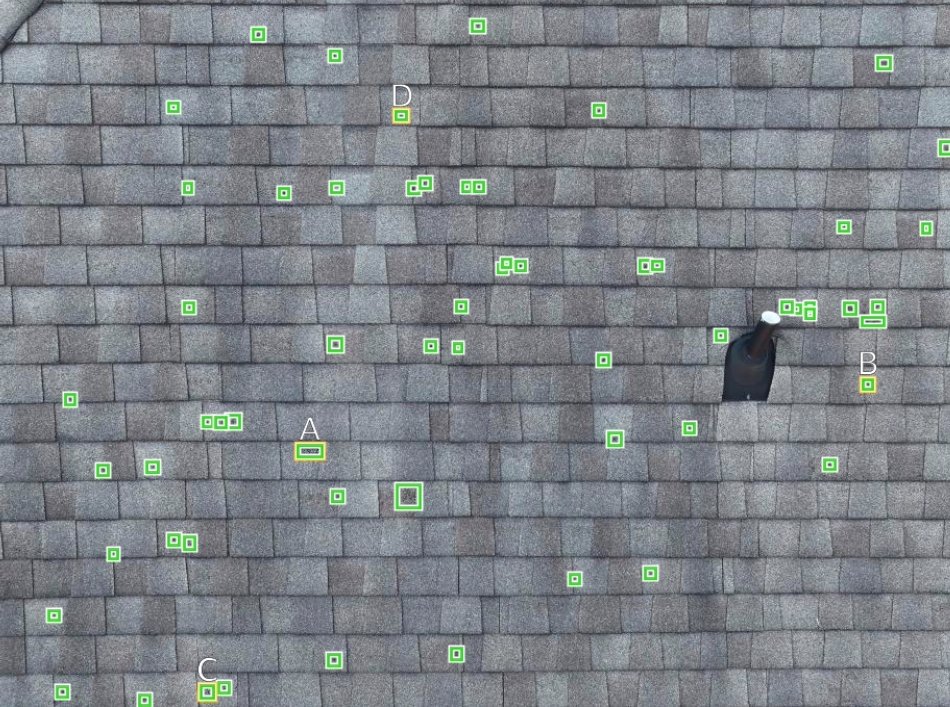
Wind Damage Roof Repair in Richmond: What to Do First
Learn what Richmond homeowners should do after wind damage, including emergency tarping, roof inspection priorities, and how to plan permanent repairs.
Wind damage can be obvious, like missing shingles across the yard. It can also be subtle, like lifted tabs, broken seal strips, or loosened flashing that does not leak until the next rain. For Richmond homeowners, the first few hours after a storm are usually about preventing the damage from getting worse.
Step 1: Check for Immediate Exposure
Start from the ground and look for:
- Missing shingles
- Ridge caps out of place
- Exposed underlayment or decking
- Branches on the roof
- Water entering the house
If the roof is open to the weather, temporary protection matters.
Step 2: Use Emergency Tarping When Needed
Emergency tarping is meant to stabilize the situation, not solve it permanently. It is especially useful when:
- Rain is still expected
- Interior leaking has started
- A section of roofing is missing
- Wind pulled open a vulnerable area near a ridge or edge
A tarp helps reduce further water intrusion while you move toward a permanent repair decision.
Step 3: Document the Damage
Take photos of:
- Missing or displaced roofing materials
- Debris impact
- Ceiling stains or attic moisture
- Fallen limbs near the home
- Damage to gutters, fascia, or siding
That documentation helps with scope discussions and can also support an insurance conversation if the damage appears storm related.
Step 4: Determine Whether the Roof Is Repairable
Not every wind-damaged roof needs replacement. In many cases, a localized repair is enough. The answer depends on:
- Roof age
- How many slopes were affected
- Whether the shingles are creased or simply missing
- Whether matching materials are available
- The condition of the surrounding flashing and accessories
If the roof is already near the end of its service life, repeated storm repairs may not be the best use of money.
Why Richmond Wind Damage Often Gets Underestimated
Central Virginia sees strong thunderstorm wind bursts, tropical system remnants, and branch impact from mature tree cover. A roof may survive the storm visually but still take enough stress at edges, ridges, and penetrations to create leaks later.
That is why waiting for a ceiling stain is a bad test.
Permanent Repair Options
Once the roof is stabilized, the next step is deciding on the right permanent fix:
- Localized shingle replacement
- Flashing or ridge repair
- Decking and underlayment repair in damaged sections
- Full replacement if the storm exposed broader failure or matching is unrealistic
The right scope should be based on roof condition, not on how badly the storm looked from the street.
Helpful Next Steps
If the house needs immediate protection, start with our wind damage service page. If there is already active water entry inside, the broader emergency roofing service page explains how fast temporary response and permanent repair planning usually work together.
Final Thoughts
After wind damage, the priority order is simple: protect the home, document the roof, and make a real repair plan. Richmond homeowners who treat tarping as a temporary measure and get a clear inspection early usually avoid the bigger interior repairs that come from waiting too long.
Filed Under
Need Roofing Help in Richmond?
Get a free, no-pressure consultation from Richmond's trusted roofing experts. We're here to answer your questions.
Related Articles
View All Posts →
How to Find a Roof Leak: Detection Techniques That Actually Work
Professional roof leak detection methods for Richmond homeowners. Learn how to locate hidden leaks, trace water stains to their source, and know when to call an expert.
Five Years After Hurricane Ida: What Richmond Learned About Roof Resilience
September 2021 brought remnants of Hurricane Ida to Richmond. Roofs failed. Some held. Here's what we learned about storm preparation and roof performance.

Emergency Roof Tarping: What It Costs and How Long It Lasts
Tree fell on your roof? Storm ripped off shingles? Learn what emergency tarping actually does, how much it costs in Richmond, and how long you can wait for permanent repairs.