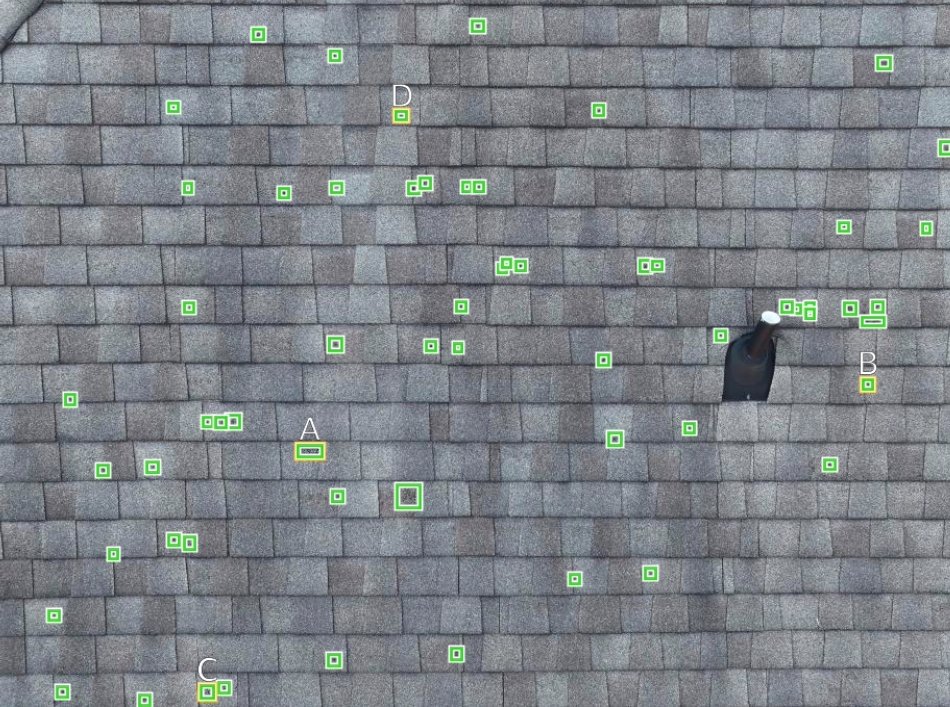
Hail Damage Signs Richmond Homeowners Should Watch For
Learn the most common hail damage signs on Richmond roofs, what to inspect from the ground, and when a professional roof assessment makes sense.
Most Richmond hail events are not catastrophic, but that does not mean they are harmless. The harder part with hail damage is that it often looks minor at first. Homeowners may not see anything dramatic from the driveway, yet the roof can still show bruised shingles, displaced granules, or damaged flashing after a severe cell moves through.
If you suspect hail, the first goal is not guessing. It is knowing what signs matter.
What Hail Damage Usually Looks Like
On asphalt roofs, hail damage often shows up as:
- Random impact marks rather than uniform wear
- Dark spots where protective granules were knocked away
- Soft bruised areas that feel different under close inspection
- Damage concentrated on one or two slopes rather than the whole roof equally
On metal accessories, the clues can be easier to spot:
- Dented flashing
- Dings on roof vents
- Marks on gutters and downspouts
- Impact evidence on window screens or soft metals around the home
These details help distinguish hail from ordinary aging.
What You Can Check Safely From the Ground
Richmond homeowners should avoid climbing onto the roof after a storm. A ground-level review still helps.
Look for:
- Fresh granules collecting near downspouts
- Dents on gutters or metal roof accessories
- Shingle fragments in the yard
- Collateral storm evidence on fencing, deck furniture, or outdoor equipment
If you can see obvious damage from the ground, the roof deserves a closer inspection.
Why Richmond Roofs Can Be Tricky After Hail
Storm damage in Central Virginia is often localized. One neighborhood may see only heavy rain while another gets stronger hail and wind. That is one reason insurance conversations can get messy. A homeowner knows the storm was severe, but the roof evidence still needs to match the event.
Older shingles also respond differently than newer ones. A roof with years of heat exposure and normal wear is more vulnerable to hail impact than a newer roof of the same material.
When to Schedule a Professional Assessment
A roof inspection is worth it when:
- Hail reached roughly quarter size or larger
- Neighbors nearby confirmed storm damage
- You see dents on gutters, vents, or metal trim
- The roof is older and already had some wear before the storm
- A leak appeared after the weather event
An inspection should document what is storm related, what is pre-existing wear, and whether the roof is a repair or replacement candidate.
Insurance Considerations
Do not start with assumptions about coverage. Start with documentation.
Useful claim preparation includes:
- Photos of the storm aftermath
- Approximate storm date and time
- Images of collateral damage around the property
- A roof inspection report with clear damage notes
That gives you something stronger than a vague statement that the roof "might have hail damage."
Related Service Options
If you suspect impact damage, you can start with a dedicated hail damage roof inspection. If the same storm also lifted shingles or left exposed areas, our wind damage repair page covers emergency tarping and permanent repair planning as well.
Final Thoughts
Hail damage is easy to overstate and just as easy to miss. The right move is an honest inspection tied to visible evidence, not a rushed conclusion. Richmond homeowners who document the storm and get a clear roof assessment are in a much better position to decide whether to repair, file a claim, or simply keep monitoring the roof.
Filed Under
Need Roofing Help in Richmond?
Get a free, no-pressure consultation from Richmond's trusted roofing experts. We're here to answer your questions.
Related Articles
View All Posts →
Roof Financing Myths Debunked: What Richmond Homeowners Actually Need to Know
Truth about roof replacement financing, 0% interest offers, contractor financing vs. bank loans, and payment options that actually make sense for your situation.
Five Years After Hurricane Ida: What Richmond Learned About Roof Resilience
September 2021 brought remnants of Hurricane Ida to Richmond. Roofs failed. Some held. Here's what we learned about storm preparation and roof performance.

Emergency Roof Tarping: What It Costs and How Long It Lasts
Tree fell on your roof? Storm ripped off shingles? Learn what emergency tarping actually does, how much it costs in Richmond, and how long you can wait for permanent repairs.