
How Richmond's Summer Heat Destroys Asphalt Shingles
Virginia summers reach 95°F+. Your roof surface hits 170°F. Learn what heat does to asphalt shingles, warning signs of damage, and how to extend roof life.
Richmond summer: 97°F outside, 65% humidity, heat index pushing 105°F.
Your roof surface? Try 160-170°F.
That's not a comfortable place for asphalt shingles to spend 90 days straight.
What Heat Actually Does to Shingles
Asphalt shingles are petroleum-based products held together with adhesive and coated with protective granules.
Heat causes three specific problems:
1. Accelerated Granule Loss
The ceramic granules on shingle surfaces do two things:
- Protect the asphalt layer from UV damage
- Reflect heat away from the roof
When shingles get hot repeatedly, the adhesive bond holding granules weakens. Granules wash off during rain. Eventually you're left with exposed asphalt.
Once asphalt is exposed, UV rays deteriorate it rapidly.
We inspected a roof in Midlothian last August. The south-facing slope (maximum sun exposure) had lost 40% of its granules. The north-facing slope (mostly shaded) still looked new. Same shingles, installed at the same time, only 8 years old.
The difference? Sun exposure and heat.
2. Thermal Cracking
Asphalt expands when hot, contracts when cool.
A typical summer day in Richmond:
- 7am: Roof surface 75°F
- 2pm: Roof surface 165°F
- 11pm: Roof surface 85°F
That's 90° of temperature swing daily.
After thousands of expansion-contraction cycles, the asphalt becomes brittle. Small cracks form, usually starting at the edges or where shingles overlap.
Those cracks let water infiltrate, which leads to bigger problems.
3. Seal Failure
Asphalt shingles have an adhesive strip that seals each shingle to the one below it. This prevents wind uplift.
High heat can cause two opposite problems:
Over-activation: On brand new roofs in hot climates, shingles can seal too aggressively. When you need to lift them later (to install a vent or make a repair), they tear instead of lifting cleanly.
Degradation: On older roofs, repeated heat cycles break down the adhesive. Shingles lose their seal, making them vulnerable to wind damage.
Last spring, a windstorm in Glen Allen caused shingle blow-off on dozens of roofs. Most were 12-18 years old — right at the point where heat degradation had weakened seals but shingles weren't old enough for insurance replacement.
South-Facing Slopes Fail First
Not all parts of your roof age at the same rate.
South and west-facing slopes get the most sun exposure, especially in summer when the sun is high and intense.
From our inspection data on 200+ Richmond-area roofs:
South/West slopes:
- Average lifespan: 18-22 years for architectural shingles
- First signs of wear: 10-12 years
- Granule loss visible: 14-16 years
North/East slopes:
- Average lifespan: 25-30 years (same shingles!)
- First signs of wear: 16-18 years
- Granule loss visible: 20-22 years
That's a 7-8 year difference in lifespan based purely on sun exposure.
When we replace roofs where only one slope is damaged, it's almost always the south or west side.
Attic Temperature Connection
Your attic temperature directly affects shingle lifespan.
Proper attic ventilation (intake vents at soffits, exhaust vents at ridge or gables) keeps hot air moving out. This reduces the temperature differential between your attic and the shingle underside.
Well-ventilated attic in summer:
- Exterior temp: 95°F
- Attic temp: 110-120°F
- Shingle surface: 150-160°F
Poorly ventilated attic in summer:
- Exterior temp: 95°F
- Attic temp: 140-150°F
- Shingle surface: 170-180°F
That extra 20° might not sound like much, but over 20 years of summers, it's the difference between a roof that lasts until year 22 and one that fails at year 16.
We've seen this repeatedly: homes with inadequate ventilation need roof replacements 5-7 years sooner than identical homes with proper ventilation.
Dark Colors Make It Worse
Shingle color affects surface temperature significantly.
Data from Oak Ridge National Laboratory's cool roof study:
Black shingles on 95°F day:
- Surface temp: 175-185°F
Medium gray shingles:
- Surface temp: 160-170°F
Light tan or white shingles:
- Surface temp: 140-150°F
That's a 35-40° difference between darkest and lightest shingles under identical conditions.
Richmond homeowners love dark roofs (Pewter Gray, Charcoal, Weathered Wood — all dark colors). They look great. But they pay a price in lifespan.
If you're replacing a roof and plan to stay in your home long-term, consider lighter colors. You'll add 3-5 years to shingle life, especially on south/west slopes.
Warning Signs of Heat Damage
How do you know if summer heat is killing your shingles?
Look for these from the ground (don't climb on hot roofs):
Curling or Cupping
Shingle edges curl upward or the center cups downward.
This happens when the asphalt layer loses flexibility from heat exposure. Once shingles curl, they're more vulnerable to wind damage and let water underneath.
If more than 20% of visible shingles show curling, you're within 2-3 years of needing replacement.
Granule Accumulation in Gutters
Check your gutters and downspouts after summer rainstorms.
Seeing a few granules? Normal.
Seeing clumps of granules, or gutters half-filled with gritty sediment? Problem.
Heavy granule loss means your shingles are nearing end of life.
Shiny or Slick Appearance
Healthy shingles have a matte, textured look from the granule coating.
When granules wear off, the underlying asphalt looks shiny or slick, especially when wet.
If you can see shiny patches from the street, UV damage is already happening.
Brittle Texture
If you can safely access a shingle (maybe one that blew off into your yard), bend it gently.
Healthy shingles are flexible. Heat-damaged shingles crack when bent.
This brittleness is a sign of advanced degradation.
What You Can Actually Do About It
Heat damage is inevitable in Richmond summers, but you can slow it down.
Improve Attic Ventilation
Calculate your ventilation needs:
- Measure attic square footage
- You need 1 sq ft of ventilation per 150 sq ft of attic (building code minimum)
- Split 50/50 between intake (soffit vents) and exhaust (ridge vent or gable vents)
Most Richmond homes we inspect are under-ventilated by 30-50%.
Adding ventilation costs $800-2,200 depending on your roof configuration. But it extends shingle life and reduces cooling costs.
ROI: If it adds even 3 years to a $12,000 roof replacement, that's $4,000 saved for a $1,500 investment.
Add Radiant Barrier or Insulation
Radiant barrier (reflective foil installed on attic rafters) reflects heat away before it reaches the shingle underside.
According to a 2023 study from Virginia Tech's Building Science department, radiant barriers in Virginia attics reduce shingle surface temperatures by 8-12°F in summer.
Cost: $1.50-2.00 per sq ft installed.
Alternatively, increasing attic floor insulation from R-19 to R-38 reduces heat transfer and lowers attic temps by 6-10°F.
Choose Heat-Resistant Shingles
Not all asphalt shingles handle heat equally.
IR-reflective shingles (like GAF Timberline HDZ with Cool Roof technology or Owens Corning Duration Cool) have special granules that reflect infrared radiation.
They stay 10-20°F cooler than standard shingles.
Expect to pay $15-25 per square more ($450-750 extra on a typical 30-square roof), but they last 15-20% longer in hot climates.
Trim Overhanging Trees
Shade is the most effective heat reduction method.
A large oak tree shading your south-facing roof can reduce surface temps by 20-30°F during peak summer sun.
Obviously you can't plant a 50-foot oak overnight. But if you have trees near your roof, strategic trimming to provide afternoon shade (while still allowing morning sun to dry morning dew) helps significantly.
Just keep branches at least 6 feet from the roof to prevent physical damage and debris accumulation.
Schedule Inspections After Summer
We recommend roof inspections in early fall (September-October) for Richmond homeowners.
After three months of intense summer heat, any new damage will be visible. Catching it early means making small repairs before they become big problems.
An annual inspection costs $150-250 (or free if you're already our customer). It can catch $300 repairs before they turn into $3,000 leaks.
When to Replace Instead of Waiting
If your roof shows multiple heat damage indicators, waiting rarely saves money.
Replace now if:
- Shingles are 15+ years old AND showing granule loss on south/west slopes
- Multiple shingles are curling or cupping
- You've had 2+ leak repairs in the past 3 years
- An inspector says you have less than 3 years of life remaining
Why not wait?
Because the next failure point is probably mid-summer when:
- Roofers are booked 3-6 weeks out
- Emergency repairs cost premium rates
- You're dealing with interior water damage and mold
Better to replace on your schedule in spring or fall when contractors are available and you can take time choosing the right products.
The Metal Roof Alternative
If heat damage is a recurring concern, consider metal roofing for your replacement.
Metal roofs:
- Reflect 60-70% of solar radiation (vs. absorbing it like asphalt)
- Don't degrade from heat cycles
- Last 50+ years in Richmond climate
- Often qualify for energy efficiency tax credits
Yes, metal costs 2-3x more upfront ($18,000-28,000 vs. $8,000-14,000 for asphalt on a typical Richmond home).
But you never replace it again. And your cooling bills drop 15-25% in summer.
If you're planning to stay in your home 15+ years, the math often favors metal — especially if you've already replaced an asphalt roof once due to heat damage.
Frequently Asked Questions
Do shingles have a temperature rating?
Not exactly. ASTM D7462 (the standard for asphalt shingles) requires shingles to withstand heat aging tests, but there's no specific "max temperature" rating. All major manufacturers' shingles are designed to handle typical roof surface temps (up to 180°F), but longevity varies based on how often they reach those temperatures.
Can I extend my shingle life by coating them?
There are reflective roof coatings marketed for this purpose. They can reduce temperatures by 10-20°F. However, most manufacturers void warranties if you apply coatings to asphalt shingles. Better option: install IR-reflective shingles from the start.
Is heat damage covered by warranty?
No. Manufacturer warranties cover defects, not normal wear from environmental exposure. Heat degradation is considered normal aging. Storm damage (if sudden and catastrophic) is covered by homeowner's insurance, not shingle warranties.
Should I spray my roof with water on hot days to cool it down?
No. The water evaporates too quickly to make a difference, and repeated wetting can actually accelerate deterioration by causing moisture cycling. Focus on ventilation and shade instead.
Concerned about heat damage on your Richmond roof? We'll inspect your attic ventilation, check for early warning signs, and give you realistic timeline for repairs or replacement.
Call (804) 238-7837 or schedule a free roof inspection — we'll tell you what's actually happening on your roof.
Filed Under
Need Roofing Help in Richmond?
Get a free, no-pressure consultation from Richmond's trusted roofing experts. We're here to answer your questions.
Related Articles
View All Posts →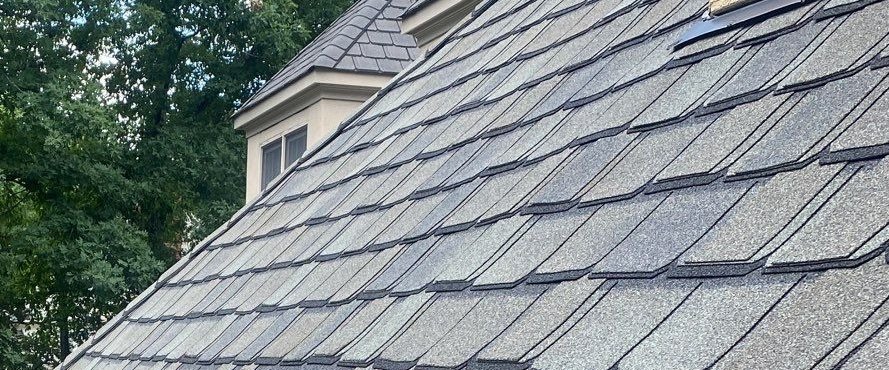
Ice Dams in Richmond: Prevention, Warning Signs, and Long-Term Fixes
Richmond gets fewer ice dams than northern states, but freeze-thaw roof leaks still happen. Here's how insulation, ventilation, and drainage all affect prevention.
Richmond Tree Cover and Roof Risk: What Homeowners Should Know
Richmond's mature tree cover creates roofing risks beyond falling limbs. Learn how shade, debris, branch contact, and storm exposure affect roof life in local neighborhoods.
Roof Cleaning and Moss Removal in Richmond: What Actually Helps
A practical guide to roof cleaning in Richmond, including moss removal, algae streaks, why pressure washing is risky, and when cleaning should be paired with repairs.