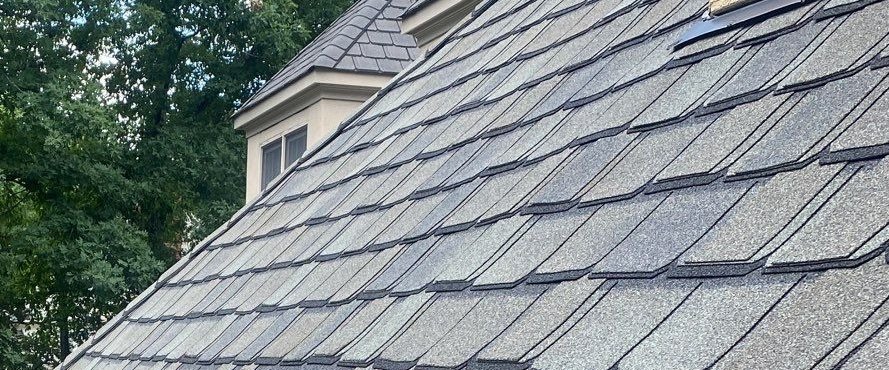
Roof Cleaning and Moss Removal in Richmond: What Actually Helps
A practical guide to roof cleaning in Richmond, including moss removal, algae streaks, why pressure washing is risky, and when cleaning should be paired with repairs.
Black streaks on the roof get written off as cosmetic. Moss gets ignored until it starts looking dramatic from the street.
That is usually too late.
In Richmond, roofs under tree cover stay damp longer. Add humidity, leaf debris, and shaded north-facing slopes, and organic growth has exactly what it needs.
The Two Most Common Problems: Algae and Moss
These are not the same issue.
Algae
The dark streaking you see on many asphalt roofs is usually algae. It feeds on the limestone filler in shingles and spreads most aggressively on shaded roof planes.
What it causes:
- Reduced curb appeal
- A roof that looks older than it is
- Surface staining that keeps coming back if conditions stay the same
Algae is usually more of an appearance and maintenance issue than a structural one.
Moss
Moss is more serious. It holds moisture against the roof surface, especially along lower slopes, shaded sections, behind chimneys, and in debris-heavy valleys.
What it can lead to:
- Moisture sitting against shingle edges
- Lifted tabs or accelerated granule loss
- Debris dams that slow drainage
- Hidden wear around flashing details
Moss does not just make a roof look neglected. It can change how long the roof lasts.
Why Pressure Washing Is Usually the Wrong Move
Many homeowners assume roof cleaning means blasting the stains away.
That is a mistake on most asphalt shingle roofs.
High pressure can:
- Knock protective granules off the shingles
- Break shingle seals
- Force water under the roofing material
- Shorten the useful life of the roof
If someone says they will make your roof look new by power washing it, ask what that method does to the shingle surface. Appearance is not the only thing that matters.
What a Better Roof Cleaning Plan Looks Like
Cleaning should be tied to roof condition, not just color change.
For Richmond-area homes, the better questions are:
- Is the growth mostly algae, moss, or packed debris?
- Is the roof otherwise healthy enough to clean?
- Are shaded trees or gutter problems keeping parts of the roof wet?
- Is there already shingle damage under the organic growth?
The roof may need a low-pressure cleaning method, minor repair, gutter work, or a broader maintenance plan. Those are very different scopes.
Areas That Need Extra Attention
Some parts of the roof almost always hold more moisture than others:
- North-facing slopes
- Areas under tree canopies
- Behind chimneys
- Valleys that collect leaves and needles
- Lower roof sections where runoff slows down
If a roof keeps getting dirty in the same places, that pattern usually tells you something about drainage or shade, not just housekeeping.
When Cleaning Alone Is Not Enough
Cleaning is not a fix for:
- Active leaks
- Failed flashing
- Soft decking
- Missing or broken shingles
- Gutter overflows that keep sending water back onto the roof
Sometimes cleaning exposes these problems more clearly. That is useful, but it also means the next step may be repair instead of another round of treatment.
How to Slow Moss and Algae From Coming Back
No roof stays perfectly clean forever, especially in a humid climate.
What helps:
- Keeping valleys and gutters clear
- Trimming branches where practical to improve sunlight and reduce debris
- Addressing roof sections that stay wet too long
- Scheduling periodic maintenance before the roof gets heavily overgrown
The goal is not perfection. The goal is keeping moisture-related roof wear from compounding.
Final Thoughts
Roof cleaning is worth doing when it protects the roof, not just when it improves the photo from the driveway.
If the roof has moss, heavy staining, or debris buildup, the safest next move is a condition-based review that separates cosmetic cleanup from actual roofing risk.
Filed Under
Need Roofing Help in Richmond?
Get a free, no-pressure consultation from Richmond's trusted roofing experts. We're here to answer your questions.
Related Articles
View All Posts →
Halloween Home Safety: Don't Overlook Your Roof (Seriously)
Pre-Halloween roof and gutter checks Richmond homeowners should do. From decoration safety to fall maintenance that prevents winter problems.

Richmond Fall Storm Prep: Get Your Roof Ready for Hurricane Season's Tail End
September through November brings hurricane remnants and severe weather to Richmond. Complete roof preparation checklist to protect your home and avoid emergency repairs.

How Richmond's Summer Heat Destroys Asphalt Shingles
Virginia summers reach 95°F+. Your roof surface hits 170°F. Learn what heat does to asphalt shingles, warning signs of damage, and how to extend roof life.