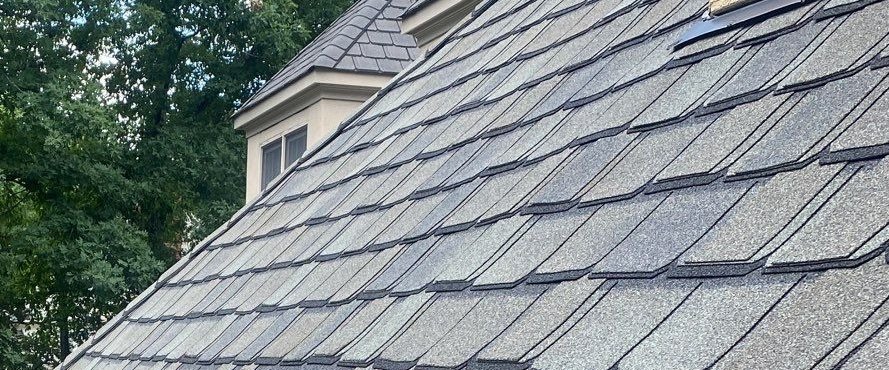
Ice Dams in Richmond: Prevention, Warning Signs, and Long-Term Fixes
Richmond gets fewer ice dams than northern states, but freeze-thaw roof leaks still happen. Here's how insulation, ventilation, and drainage all affect prevention.
When Richmond homeowners hear "ice dam," many assume that is a problem for Boston or Buffalo, not Central Virginia.
That assumption is too simple.
Richmond does not get prolonged deep-winter snow cover every year. But it does get sleet, wet snow, and repeated freeze-thaw cycles. That is enough to create roof-edge backup problems on the wrong house.
What an Ice Dam Actually Is
An ice dam forms when snow or ice melt flows down the roof, reaches a colder section near the eaves, and refreezes.
As that frozen edge grows, new meltwater can back up behind it and work its way under shingles.
That is when interior staining and winter leaks start.
Why Some Richmond Homes Are More Vulnerable
The usual problem is not simply "cold weather." It is uneven roof temperature.
Common causes:
- Warm air leaking into the attic
- Inadequate attic insulation
- Poor ridge or soffit ventilation
- Roof edges staying colder than the upper roof
- Gutters holding water or slush at the eaves
In other words, ice dams are often a roof-and-attic systems issue.
Warning Signs Before a Leak Happens
Look for patterns, not just one dramatic storm.
Common signs include:
- Repeated icicles along the same eaves
- Ice building up at gutter edges
- A warm attic in winter
- Water marks after snow or sleet events
- Leaks that seem to happen only during thaw cycles
If winter leaks come and go based on weather swings, that points toward a heat-loss or drainage problem more than a random isolated leak.
What Actually Helps Prevent Ice Dams
The right fix depends on the house, but prevention usually includes some combination of:
1. Air Sealing
Warm interior air often escapes through ceiling penetrations, attic hatches, recessed lights, and top-plate gaps.
Stopping that airflow is one of the most important steps because it reduces uneven roof warming from below.
2. Insulation Improvements
Attic insulation helps keep heat inside the living space instead of warming the roof deck from underneath.
Uneven or compressed insulation often creates hot spots that contribute to melting patterns.
3. Ventilation Corrections
Balanced airflow from intake to exhaust helps keep attic conditions more stable.
Ventilation does not replace insulation or air sealing, but it is part of the overall winter roof performance picture.
4. Drainage Review
If gutters are clogged, poorly pitched, or already prone to backing up, winter refreezing gets worse at the roof edge.
5. Roof Replacement Details
When a roof is being replaced, underlayment and edge detailing matter. They do not solve attic heat loss by themselves, but they do improve resilience if backup occurs.
Temporary Action Versus Long-Term Solution
If a winter leak is active, the immediate goal is to limit damage and inspect conditions safely.
That is different from the long-term fix.
A long-term solution usually means correcting the attic and roof conditions that caused the ice buildup in the first place. Simply removing visible ice does not address why it formed.
Final Thoughts
Ice dams are not an everyday Richmond problem, but they are real enough that homeowners should not ignore winter warning signs.
If your roof leaks during freeze-thaw weather, the right response is a broader inspection of ventilation, insulation, drainage, and roof-edge detailing instead of assuming it was just a bad storm.
Filed Under
Need Roofing Help in Richmond?
Get a free, no-pressure consultation from Richmond's trusted roofing experts. We're here to answer your questions.
Related Articles
View All Posts →
How Richmond's Summer Heat Destroys Asphalt Shingles
Virginia summers reach 95°F+. Your roof surface hits 170°F. Learn what heat does to asphalt shingles, warning signs of damage, and how to extend roof life.
Roof Restoration for Richmond Historic District Homes: What Owners Should Plan For
Historic district roofing in Richmond requires more planning than a standard reroof. Here's what homeowners should know about materials, approvals, flashing, and restoration scope.
Richmond Tree Cover and Roof Risk: What Homeowners Should Know
Richmond's mature tree cover creates roofing risks beyond falling limbs. Learn how shade, debris, branch contact, and storm exposure affect roof life in local neighborhoods.