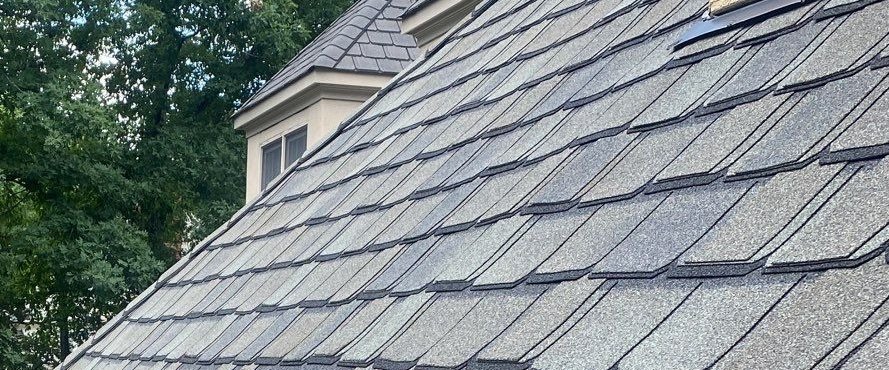
Roof Restoration for Richmond Historic District Homes: What Owners Should Plan For
Historic district roofing in Richmond requires more planning than a standard reroof. Here's what homeowners should know about materials, approvals, flashing, and restoration scope.
Roofing a historic Richmond home is usually not a standard tear-off and replace job.
Owners in neighborhoods such as the Fan, Church Hill, and other historic districts often need to think about visibility, material character, flashing detail, and approval timing before a crew ever shows up.
Historic Roof Problems Usually Start in the Details
Older homes rarely fail in neat, simple ways.
Common trouble spots include:
- Chimney flashing
- Valleys
- Wall transitions
- Dormer details
- Older metal trim
- Isolated slate or specialty material failures
That is why a historic roof should be inspected with restoration in mind. The visible leak may be small, while the real problem is in the surrounding detail work.
Restoration Versus Replacement
Not every historic roof can or should be fully restored. Some are too far gone. Others still have enough sound material left that selective restoration makes more sense than a generic replacement.
The right recommendation usually depends on:
- The current roof material
- How much original or serviceable material remains
- Whether flashings can be rebuilt without losing the character of the roof
- Budget and timeline
- Any district-related visibility or approval concerns
A contractor who treats every historic roof like a tract-home asphalt reroof will miss important options.
Material Matching Matters
Historic homes often have roofing profiles and accessories that are visually obvious from the street.
That may involve:
- Slate size and color matching
- Metal detail compatibility
- Ridge and hip profile consistency
- Trim and flashing appearance
- Preserving architectural lines that newer materials can flatten or distort
Even when full preservation is not possible, close material alignment usually produces a much better result.
Planning Around Historic-District Expectations
Some Richmond projects need more front-end planning because visible changes may affect local review requirements or owner expectations tied to the district.
That does not mean every project becomes a bureaucratic ordeal. It does mean the roofing scope should be discussed early enough that material selection and project timing do not become last-minute problems.
Why Inspection First Usually Saves Time
Historic homes benefit from a condition-based inspection before anyone starts quoting major work.
Inspection helps answer:
- What is actively failing?
- What can reasonably be restored?
- What needs immediate leak repair?
- What should be coordinated with longer-term preservation goals?
Without that clarity, owners can end up pricing the wrong project.
Final Thoughts
Historic roofing in Richmond is a case where detail quality and planning discipline matter more than speed.
If your home is in a historic district or has a roof system that does not fit a standard replacement template, start with a restoration-focused evaluation and build the scope from there.
Filed Under
Need Roofing Help in Richmond?
Get a free, no-pressure consultation from Richmond's trusted roofing experts. We're here to answer your questions.
Related Articles
View All Posts →Ice Dams in Richmond: Prevention, Warning Signs, and Long-Term Fixes
Richmond gets fewer ice dams than northern states, but freeze-thaw roof leaks still happen. Here's how insulation, ventilation, and drainage all affect prevention.
Richmond Tree Cover and Roof Risk: What Homeowners Should Know
Richmond's mature tree cover creates roofing risks beyond falling limbs. Learn how shade, debris, branch contact, and storm exposure affect roof life in local neighborhoods.
Roof Cleaning and Moss Removal in Richmond: What Actually Helps
A practical guide to roof cleaning in Richmond, including moss removal, algae streaks, why pressure washing is risky, and when cleaning should be paired with repairs.