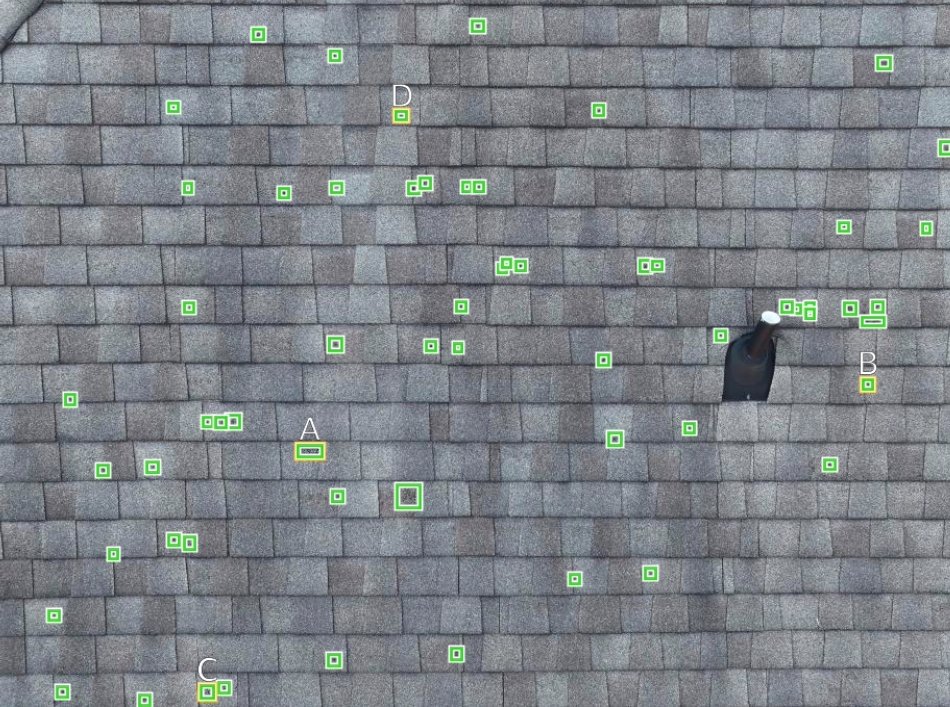
Roof Insurance Claims in Richmond, VA: What Homeowners Should Know
Learn how roof insurance claims work in Richmond, VA, including what damage is typically covered, how to file, and how a roofer can help through the process.
Storm damage can turn into a roofing emergency fast. In Richmond, wind, hail, fallen limbs, and heavy rain can damage shingles, flashing, gutters, and roof decking. When that happens, most homeowners ask the same question: will insurance cover it?
The answer depends on the cause of the damage, the roof's condition before the storm, and the details of your policy.
This guide explains how roof insurance claims usually work in Richmond, what is often covered, how a roofer can help, and what timeline to expect.
What Roof Damage Is Usually Covered?
Most homeowners insurance policies cover sudden, accidental damage from a covered event. For roofs, that often includes:
- Wind damage from strong storms
- Hail impact damage
- Fallen tree limbs caused by a storm
- Damage from debris striking the roof
- Water intrusion caused by a covered storm event
If a storm tears off shingles or dents metal roofing panels, that is often the type of loss insurance is designed to address.
What Roof Damage Is Usually Not Covered?
Insurance typically does not pay for issues caused by age, neglect, wear and tear, poor maintenance, or defective installation. For example:
- A 25-year-old asphalt roof that is simply worn out
- A slow leak that existed for months before being reported
- Damage caused by improper prior repairs
- Mold or rot tied to long-term moisture problems
Insurance covers sudden damage, not routine replacement of an aging roof.
Step 1: Act Quickly After the Storm
After a major storm in Richmond, inspect your property from the ground if it is safe to do so. Look for missing shingles, exposed underlayment, fallen branches, dented gutters, or visible debris impact. Inside, check ceilings and attic spaces for water stains or leaks.
If you see damage, take clear photos and videos right away. Document:
- The date of the storm
- Visible exterior roof damage
- Damage to gutters, siding, or windows
- Interior water stains or leaks
- Fallen trees or limbs on the property
Do not climb onto the roof unless you can do so safely.
Step 2: Prevent Further Damage
Most policies require homeowners to take reasonable steps to prevent additional damage after a covered loss. That may mean placing a tarp over an exposed area or arranging emergency leak mitigation. Keep receipts for those expenses.
Step 3: Schedule a Roofing Inspection
Before or shortly after contacting your insurer, many homeowners call a roofing contractor for a storm damage inspection. A qualified roofer can identify issues that may not be obvious from the ground.
A roofer does not approve the claim, but an experienced roofer can provide:
- A detailed assessment of storm-related damage
- Photos and documentation
- A scope of recommended repairs or replacement
- Support during the adjuster meeting
This is especially helpful if the damage is spread across multiple areas of the roof.
Step 4: File the Claim With Your Insurance Company
Once you suspect storm damage, contact your insurance carrier as soon as possible. Many insurers allow claims by phone, website, or mobile app. Be prepared to provide:
- Your policy number
- Date of loss
- Description of the storm event
- Summary of visible damage
- Photos if requested
It is usually better to file promptly rather than wait.
Step 5: Meet the Adjuster
After the claim is opened, the insurer will generally assign an adjuster to inspect the property. The adjuster evaluates the damage, determines whether the loss is covered, and prepares an estimate based on the policy terms.
Many homeowners ask their roofer to be present during this inspection so specific storm-related issues are clearly identified. If the insurer's estimate seems incomplete, your roofer may provide additional documentation for review.
Actual Cash Value vs. Replacement Cost
One detail that affects payment is whether your policy pays actual cash value or replacement cost.
- Actual cash value usually factors in depreciation based on roof age and condition
- Replacement cost coverage usually pays more, but may involve an initial payment followed by a second payment after the work is completed
Homeowners are often surprised by depreciation, deductibles, and policy endorsements that limit coverage for older roofs.
How Long Does the Roof Insurance Claim Process Take?
The timeline varies, but a typical claim may look like this:
- Storm occurs and damage is discovered
- Emergency mitigation and documentation happen within 24 to 72 hours
- Claim is filed within a few days
- Adjuster inspection is scheduled within several days to two weeks
- Coverage decision and estimate follow after the inspection
- Roofing work is scheduled after approval, material selection, and weather coordination
Straightforward claims can move relatively quickly. Disputed claims or high-volume storm periods can take much longer.
How a Roofer Helps During the Claim
A reputable roofing contractor can make the process more manageable by helping with the technical side of the claim. That may include:
- Inspecting for storm-related roof damage
- Photographing damage clearly
- Providing an estimate or scope of work
- Explaining roofing terminology and repair needs
- Meeting with the adjuster
- Completing approved repairs or replacement promptly
What a roofer should not do is guarantee claim approval or make questionable deductible promises. Be cautious of storm-chasing contractors who pressure you to sign immediately.
Common Claim Mistakes to Avoid
Avoid these mistakes:
- Waiting too long to report storm damage
- Throwing away evidence before documentation
- Accepting a verbal opinion instead of a documented inspection
- Hiring an unlicensed or uninsured contractor
- Assuming every old roof qualifies for full replacement
Services That Help During a Claim
If the storm created active leaking, start with our emergency roofing service to stabilize the home and prevent further damage. From there, we can help with insurance claim support, identify whether you need targeted roof repair, or determine when a full roof replacement is the better path.
Final Thoughts
If your Richmond home has roof damage after a storm, start by documenting the damage, preventing further loss, and getting a professional inspection. Then file the claim quickly and make sure the adjuster has a clear picture of the storm-related issues.
A trusted local roofer can help with documentation, adjuster coordination, and approved repairs.
Filed Under
Need Roofing Help in Richmond?
Get a free, no-pressure consultation from Richmond's trusted roofing experts. We're here to answer your questions.
Related Articles
View All Posts →Five Years After Hurricane Ida: What Richmond Learned About Roof Resilience
September 2021 brought remnants of Hurricane Ida to Richmond. Roofs failed. Some held. Here's what we learned about storm preparation and roof performance.

Emergency Roof Tarping: What It Costs and How Long It Lasts
Tree fell on your roof? Storm ripped off shingles? Learn what emergency tarping actually does, how much it costs in Richmond, and how long you can wait for permanent repairs.
Roof Restoration for Richmond Historic District Homes: What Owners Should Plan For
Historic district roofing in Richmond requires more planning than a standard reroof. Here's what homeowners should know about materials, approvals, flashing, and restoration scope.